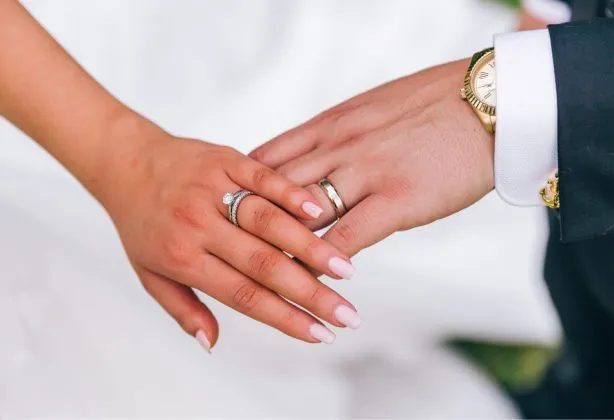
Picture this: It’s a crisp autumn evening, and my best friend Sarah is fidgeting with her left hand, twisting a sparkling diamond solitaire back and forth. We’re at her bridal shower, surrounded by laughter and champagne toasts, when she leans over and whispers, “Okay, but seriously—how do I even wear both rings without looking like I’ve got a mini chandelier on my finger?” I chuckled because I’d wondered the same thing years ago when my cousin got engaged. That moment stuck with me; it’s not just about the bling, it’s about the story those rings tell. Wearing a wedding band and engagement ring together isn’t some rigid rulebook exercise—it’s a blend of tradition, personal style, and a dash of practicality. In this guide, we’ll dive deep into the whys and hows, sharing tips that feel like chatting with a trusted friend over coffee. Whether you’re newly engaged or refreshing your stack, you’ll walk away confident, maybe even inspired to tweak things your way. Let’s unpack it all, from timeless etiquette to modern twists, ensuring your rings shine as bright as your love story.
The Historical Roots of Ring Wearing Traditions
Rings have symbolized commitment for centuries, tracing back to ancient Egyptians who believed the circle represented eternity. Romans later adopted the practice, linking the left ring finger to the “vena amoris,” or vein of love, straight to the heart. Today, this history adds a romantic layer to how we wear our bands and solitaires.
Why the Left Ring Finger?
This choice stems from that old Roman belief in a direct heart connection, though science debunked it long ago. Still, it’s stuck around in many Western cultures as a sweet nod to enduring love. In practice, it keeps things simple—most folks are right-handed, so the left finger sees less wear and tear.
Evolution from Engagement to Wedding Symbols
Engagement rings emerged in medieval times as a promise of marriage, often flashy to show intent. Wedding bands followed as plain circles of unity during vows. Together, they tell a full story, blending promise with permanence in one elegant stack.
Traditional Stacking: Wedding Band First
The classic method puts the wedding band closest to your heart, with the engagement ring on top like a crown. This order honors the vow’s priority while protecting the often-pricier engagement stone from daily dings. It’s a subtle way to let tradition guide your glow without sacrificing style.
- Slide the wedding band on first during the ceremony for that pure exchange moment.
- Layer the engagement ring over it post-vows to complete the set.
- Adjust for comfort—some twist the stack slightly to avoid pinching.
Symbolism Behind the Order
“Closest to the heart” isn’t just poetic; it reminds you daily of the commitment sealed first. Many couples love this for its emotional weight, like my aunt who swears it keeps her marriage front and center. It’s a small ritual that packs big meaning.
Common Mistakes to Avoid
Don’t force mismatched rings together if they snag— that’s a recipe for frustration. Also, skipping resizing can lead to slippage, especially if weight fluctuates. Always test the fit in real life, not just the jewelry store mirror.
Handling Rings During the Wedding Ceremony
On the big day, switch your engagement ring to your right hand temporarily. This clears space for the wedding band to slide on smoothly during the exchange. Afterward, move it back atop the band for that instant married vibe—easy peasy.
Why Switch Hands Temporarily?
It prevents awkward fumbling mid-vows, keeping the focus on your “I dos” instead of jewelry logistics. Sarah did this at her wedding, and it felt like a mini tradition all its own. Plus, it builds anticipation for the full stack reveal.
Post-Ceremony Adjustments
Once the kiss happens, slip the engagement ring back on—now you’re officially stacked! If nerves make your fingers swell, have a trusted bridesmaid hold it safe. It’s these little details that make the day flow seamlessly.
Modern Alternatives to Traditional Stacking
Who says you have to follow the old rules? Some folks wear the engagement ring first for a bolder look, or even on separate hands for comfort. It’s all about what feels right—after all, your rings should reflect your unique bond, not someone else’s playbook.
Wearing on Different Fingers or Hands
Try the engagement ring on your left and band on your right for balance, especially if one dominates visually. My cousin does this when traveling; it spreads the sparkle and eases airport security hassles. It’s practical with a side of flair.
Soldering Rings for a Seamless Fit
Soldering fuses the two into one unit, preventing twisting and loss. It’s like giving your rings a forever hug. But think twice—it’s permanent, so ensure you love the combo before committing.
Pros and Cons of Soldering
Pros:
- No more annoying rotation or gaps.
- Easier cleaning as one piece.
- Feels more secure for active lifestyles.
Cons:
- Harder to resize individually if needed.
- Limits mixing with other jewelry.
- Costs extra at the jeweler.
Cultural Variations in Ring Etiquette
Around the world, ring customs add colorful twists to the basics. In India, toe rings sometimes symbolize marriage, while some European countries favor the right hand. Understanding these broadens your perspective and might inspire a hybrid approach.
| Culture | Hand Preference | Stacking Order | Unique Twist |
|---|---|---|---|
| Western (e.g., USA, UK) | Left | Band first, then engagement | “Closest to heart” symbolism |
| Eastern Europe (e.g., Russia) | Right | Often just bands, engagement optional | Three-ring sets for Orthodox traditions |
| India | Varies by region | Bands on toes or fingers | Gold dominates, diamonds less common |
| Brazil | Right during engagement, left after wedding | Engagement on right, switch post-vows | Simple bands for everyday wear |
| Middle East (e.g., some Muslim traditions) | Right for women | Modest bands, engagement rings vary | Focus on religious blessings over flash |
Adapting Traditions to Your Heritage
Blend elements—like adding a family heirloom band—to honor roots while keeping it personal. One friend incorporated her grandmother’s ring into her stack, creating a heartfelt mashup. It’s a way to weave history into your daily wear.
Choosing Rings That Stack Beautifully
Picking complementary pieces starts with shape and metal harmony. A curved band hugs a solitaire perfectly, avoiding gaps. Shop with stacking in mind to avoid future regrets—it’s like building a wardrobe, but for your finger.
Matching Metals and Styles
Stick to the same metal (gold, platinum) for cohesion, or mix for eclectic vibe if that’s your jam. Vintage lovers might pair an art deco engagement with a milgrain band. Test drive combos to see what sparks joy.
Contoured vs. Straight Bands: A Comparison
Contoured bands curve to fit around center stones, ideal for solitaires, while straight ones offer versatility for stacking multiples. Contoured pros: Snug fit, no spinning. Cons: Less flexible for solo wear. Straight pros: Easy to layer, modern look. Cons: Potential gaps with raised settings.
Where to Get Custom or Matching Ring Sets
Head to reputable jewelers like Tiffany & Co. for timeless options, or try online spots like Brilliant Earth for ethical sourcing. Local artisans on Etsy offer custom twists—perfect for unique stacks.
- For budget-friendly: Check Blue Nile for customizable sets.
- Luxury picks: Cartier excels in elegant pairings.
- Vintage hunts: Explore estate sales or 1stDibs.
Best Tools for Maintaining Your Ring Stack
Keep your duo dazzling with ultrasonic cleaners like the Magnasonic Professional, or simple at-home kits from Amazon. Ring guards prevent loss, while polishing cloths maintain shine—essential for that everyday sparkle.
- Ultrasonic cleaner: Deep cleans crevices without harsh chemicals.
- Silicone ring guards: Adjust fit for swollen fingers.
- Jewelry loupe: Spot scratches early for timely repairs.
Pros and Cons of At-Home vs. Professional Cleaning
Pros of At-Home: Convenient, cost-effective, quick fixes.
Cons: Risk of damage if done wrong.
Pros of Professional: Expert handling, thorough results.
Cons: Time-consuming trips, added expense.
Care Tips for Long-Lasting Wear
Regular maintenance keeps your stack looking fresh—remove before chores, store separately to avoid scratches. A yearly professional check ensures settings stay secure, preserving both beauty and sentiment.
- Clean weekly with mild soap and soft brush.
- Avoid chemicals like chlorine that dull metals.
- Insure your rings for peace of mind—try Jewelers Mutual.
Dealing with Sizing Issues Over Time
Fingers change with age or seasons, so resize as needed. Add a spacer band for temporary fixes. My neighbor regrets ignoring this—her loose stack nearly slipped off during a hike!
People Also Ask: Common Questions Answered
Based on popular searches, here’s what folks are curious about. These real queries from Google highlight everyday confusions, with straightforward answers to guide you.
Which Goes on First, the Wedding Band or Engagement Ring?
Traditionally, the wedding band slides on first, followed by the engagement ring. This keeps the band “closest to the heart.” But flip it if you prefer the engagement stone’s prominence—personal choice wins.
Do You Wear Your Engagement Ring After Marriage?
Absolutely, most do! Stack it with the band for a complete set, or wear solo on casual days. It’s a reminder of the proposal’s magic amid married life.
What If My Rings Don’t Fit Together Well?
Opt for a contoured band or soldering for seamless unity. Jewelers can adjust, ensuring comfort without compromising style.
Is There a Right Hand for Wedding Rings in Some Cultures?
Yes, like in Germany or Russia, the right hand is preferred. It varies, so embrace what feels authentic to your background.
FAQ: Your Top Ring Questions
Can I Wear My Engagement Ring Without the Wedding Band?
Sure—many do for work or travel when simplicity rules. It’s still a symbol of commitment, just streamlined. Revert to stacking for formal occasions to keep tradition alive.
How Do I Prevent My Stacked Rings from Scratching Each Other?
Use a soft cloth between them in storage, and rotate occasionally to even wear. Platinum resists scratches best; gold needs more TLC. Regular polishing buffs out minor marks effortlessly.
What’s the Best Metal for Durable Stacking?
Platinum shines for strength and hypoallergenic perks, outlasting gold in daily wear. Rose gold adds warmth but may fade faster—choose based on lifestyle.
Should Men Wear Engagement Rings Too?
Increasingly yes! It’s a modern equality twist, with simple bands gaining popularity. My brother-in-law rocks one, saying it shares the excitement equally.
How Often Should I Get My Rings Professionally Checked?
Aim for annually to catch loose stones or wear early. It’s like a health check-up for your heirlooms, preventing costly fixes down the line.
Wrapping up, wearing your wedding band and engagement ring together is less about perfection and more about what makes you smile every time you glance down. Remember Sarah? She ended up stacking traditionally but adds a birthstone ring for her kids—her stack evolved, just like life. Experiment, honor your story, and let those rings be a daily toast to love. If they spark joy (and maybe a little envy), you’re doing it right. For more tips, check our guide on ring sizing at home or explore ethical diamond options. Here’s to your forever sparkle!
(Word count: 2,748)